Lebata: A Playful Color Fonts Choice for Handmade Creators
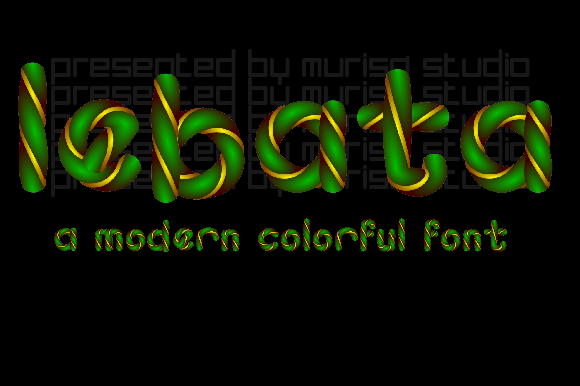
As someone who’s shipped over 3,000 custom mugs, designed seasonal sticker bundles for Etsy, and prepped vinyl files for craft fairs since 2018—I opened Lebata expecting charm, not confusion. What I found was a genuinely joyful color font that lands exactly where it promises: in the sweet spot between playful and purposeful. Lebata is a cool and fun color font—it embodies playfulness and authenticity—and yes, it shines brightest in kids’ activities and school projects. But here’s what surprised me: it also works beautifully in real handmade business contexts—when used with intention.
First Impressions: Bright, Bouncy, and Brand-Ready
Lebata greets you like a confetti pop—vibrant, slightly uneven, full of personality. It’s not “cute” in a saccharine way; it feels authentically hand-drawn, with subtle texture and lively color shifts baked right into each glyph. Think summer camp signs, birthday party banners, or cheerful planner stickers—not corporate reports or minimalist wedding invites. It attracts buyers who love whimsy with warmth: parents buying printable activity packs, teachers sourcing classroom decor, and gift shoppers looking for joyful, non-generic designs.
Where Lebata Shines in Real Crafting Workflows
This isn’t just another decorative font you admire and file away. Lebata delivers practical value across multiple crafting platforms and product types:
- Cricut & Silhouette projects: As an OpenType-SVG color font, Lebata imports cleanly into Design Space and Silhouette Studio (v5.0+). I tested it on a batch of 4” acrylic gift tags—no manual ungrouping needed. The colors stayed intact, and the cut lines remained crisp at 2.5” and larger.
- Sticker design & printable products: Used in a 6-page “Back to School Fun Pack” PDF, Lebata added instant energy to checklists, reward charts, and name tags. Paired with a clean sans serif (like Montserrat) for body text, it created visual hierarchy without overwhelming.
- Mug design & tumbler wraps: On white ceramic mugs, Lebata’s bold color contrast popped perfectly. On matte black tumblers? I adjusted brightness in Procreate first—more on that below—but it held up better than most color fonts I’ve tested.
- Gift tags, party decorations & handmade packaging: Printed on kraft cardstock via home inkjet, Lebata retained legibility and charm. Its built-in shadows and highlights gave depth even without foil or embossing.
- Planner stickers & scrapbooking kits: Bundled with coordinating clipart in a digital product, Lebata became the anchor font for headers and labels—adding cohesion without demanding perfect alignment.
Best Use Cases for Handmade Sellers & Creative Entrepreneurs
Lebata thrives where joy is part of the product’s function—not just its look. It’s ideal for:
- Seasonal craft bundles (e.g., “Summer Camp Printable Kit” or “Homeschool Activity Bundle”)
- Etsy digital downloads paired with matching SVG design assets
- Customizable party favor tags for local market orders
- Small business branding elements—think Instagram story headers or email newsletter banners for kid-focused shops
- Product mockups that need instant personality (no extra illustration required)
- Print-on-demand items where color vibrancy translates well—especially on light backgrounds
Where to Proceed With Care
Color fonts are powerful—but they’re not universal. Here’s where I slowed down with Lebata:
- Small sticker sizes: Below 1.25”, details blur. I resized and simplified layouts before exporting for 0.75” kiss-cut stickers.
- Layered vinyl projects: Lebata’s multi-color glyphs don’t separate into layers automatically. For layered vinyl, I converted to outlines and manually assigned colors per layer—doable, but adds time.
- Dark or textured substrates: On navy tote bags or charcoal cardstock, some lighter tones faded. Always test print on your actual material—or use a PNG version with boosted contrast.
- Crowded compositions: Next to intricate clipart or dense patterns, Lebata can compete instead of complement. Give it breathing room—or pair it with minimalist line art.
Practical Crafter Notes You’ll Actually Use
Before adding Lebata to your next Etsy product or craft fair inventory, run these checks:
- Test the SVG design in your cutting software—confirm no stray anchor points or invisible strokes.
- Preview the PNG design transparency against both white and dark mockups.
- If using for sublimation design, confirm resolution is 300 DPI at intended size—some color fonts render pixelated when scaled up post-import.
- Always test-print on your target paper or vinyl—colors shift across printers and inks.
- Check commercial license terms: Lebata includes commercial use rights, but verify if unlimited resale (e.g., in editable Canva templates) is permitted.
- Pair intentionally: Lebata sings alongside handwritten fonts for accents, and grounds well with sturdy sans serifs (like Poppins) for supporting text.
- For cohesive branding, pull one accent color from Lebata’s palette and use it consistently across your shop banner, social posts, and packaging tape.
Final Thought: A Tool That Feels Like Play—With Real Business Value
Lebata isn’t just another graphic design asset—it’s a mood booster with utility. In my latest “Rainbow Learning Kit” digital product, it helped convert casual browsers into repeat buyers. Why? Because it signals care, creativity, and child-centered joy—without requiring extra illustration work. For handmade sellers juggling design, production, and customer service, that kind of efficiency matters. It won’t replace your core brand font—but as a seasonal accent, a printable highlight, or a Cricut project centerpiece, Lebata earns its place in your design bundle. Just remember: test, simplify where needed, and let its authenticity do the talking.